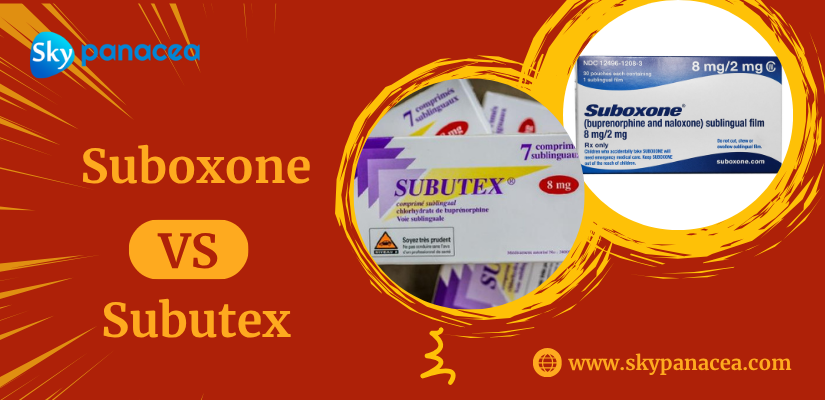
Both medications are part of medication-assisted treatment (MAT), which is particularly developed to manage opioid addiction. They both contain buprenorphine to help manage cravings and limit the discomfort associated with withdrawal symptoms. When the two medications are used for the same purpose and have the same goal, but they work in different ways and several people choose one over the other. Understanding the difference between Suboxone vs Subutex can considerably determine your treatment choices.
In this blog post, we will deeply explore these two medications, comparing their differences, similarities, and benefits. We also cover how they can help people who are struggling with opioid use disorder (OUD).
Ongoing Research On The Safety Of Suboxone Vs Subutex, Their Key Differences, And Interactions
Suboxone and Subutex are both effective and powerful medications for most of the ready people who move out of active addiction and into active recovery. When both medications are comparable, they differ in their chemical composition and mechanism. Let’s explore these medications and their uses:
Overview Of Suboxone And Subutex
Suboxone is a prescription medication, which is an Opioid antagonist, the opposite of opioid agonists. This medication is a combination of two medications, which are known as buprenorphine and naloxone. When Buprenorphine is a patent opioid medication which helps to decrease cravings for heroin and other opioids. And Naloxone is only activated in Suboxone if the medication is misused, through injection or inhalation, making it ineffective and helping to prevent overdoses. This medication also blocks the effects of other opioids due to the presence of naloxone, which makes it very difficult to abuse Suboxone. It is available in sublingual film and tablet, both of which dissolve in the mouth and also have a lower risk of dependency.
Subutex is a brand name of buprenorphine, which is a partial opioid agonist which can decrease opioid cravings and withdrawal symptoms without producing the same high as full opioid agonists. This medication is classified as a Schedule III controlled substance, which acts as a binding to the brain’s opioid receptors, which manage the user’s perception of pain and reward. It is commonly available in a sublingual tablet and is mostly prescribed as a systematic treatment plan, which includes therapy and counseling. It is crucial to use this medication under the guidance of a healthcare professional.
What’s The Difference Between Suboxone And Subutex?
When both medications are used for opioid Use Disorder symptoms, they also have key differences. The main difference is that Suboxone is a combination of buprenorphine and naloxone, when Subutex carries only buprenorphine. These medications also have other differences, like administration, dosage, and active ingredients, which are very important to understand before beginning these medications. Let’s explore them:
Both differences are compared in the table:-
| Feature | Suboxone | Subutex |
| Brand names | Suboxone | Subutex |
| Active ingredient | buprenorphine and naloxone | buprenorphine |
| Administration | Sublingual films and tablets | Sublingual tablets |
| Drug Onset Time | 20 to 60 minutes | 30–60 min |
| Duration of action | up to 3 days | 6–12 hours at low dose and 24–72 hours at higher dose |
| Half-life | 24 to 42 hours | 38 hours |
| Conditions Treated | opioid use disorder, commonly during the maintenance phase of treatment, continues to reduce cravings, reduce rates of relapse, and prevent overdose in the event of relapse | Treatment of opioid use disorder, primarily during the initial phase of treatment, for the purposes of transitioning from active abuse into active recovery |
| How They Are Used | Dissolved under the tongue or inside the cheek (buccal administration) | Dissolved under the tongue (sublingual administration) |
| Side Effects | nausea, vomiting, constipation, headache, sweating, insomnia, mouth numbness or redness, and pain | initial nausea, vomiting, constipation, headache, sweating, insomnia, and pain |
| Cost | Normally higher cost than Subutex, partly because it includes naloxone; less expensive generic versions available | Normally lower cost than Suboxone, especially if generic buprenorphine is prescribed |
| Addiction Potential | Lower potential for addiction compared to full opioid agonists; contains naloxone to prevent intravenous abuse | Lower potential for addiction compared to full opioid agonists because it is a partial opioid agonist |
Suboxone Vs Subutex In Pregnancy
Suboxone and Subutex are both safe and powerful medications to manage OUD symptoms during pregnancy. Recently, many studies have shown that the decision between Suboxone vs Subutex safety profile depends on an individual’s health, and you should discuss with your doctor after choosing these medications. However, many healthcare providers may prefer Subutex over Suboxone due to the absence of naloxone. In the past, some women were asked to switch to buprenorphine only medications like Subutex when they were pregnant. But that’s been changing due to much research suggesting naloxone is safer for both mother and their babies.
Effectiveness
Suboxone and Subutex are both efficient in managing OUD by decreasing cravings and withdrawal symptoms, as both carry the active medication buprenorphine. The difference is that suboxone contains naloxone, which is an opioid antagonist that prevents or deters misuse and abuse, making Suboxone a potentially better choice for individuals with a history of severe addiction or reverting risk. On the other hand, Subutex carries only buprenorphine, which might be used in more controlled, managed settings or when naloxone sensitivity is a consideration, while Suboxone is mostly recommended for at-home, long-term maintenance therapy.
Interaction
Suboxone and Subutex interact with many substances, which is very dangerous. When these medications interact with other medications and substances, they can cause severe respiratory depression, coma, sedation, and death. These interactions also alter these medications effectiveness and increase the side effects. So before using other medications when taking Suboxone and Subutex, concern with your doctor. Let’s identify both medications’ interactions with other substances and medications, including:
- Benzodiazepines ( Valium, Xanax, Halcion, Ativan, and Klonopin)
- Alcohol
- other opioid ( Tramadol, Oxycodone, Methadone, Dextromethorphan, Meperidine, and Codeine)
- Antihistamines
- certain antidepressants ( Celexa, Lexapro, Prozac, Paxil, and Zoloft)
- antifungals
- seizure medications ( Gabapentin)
- Grapefruit
- kratom
Frequently Asked Question(FAQs)
Which Is Better, Suboxone Or Subutex?
Neither Suboxone nor Subutex is generally a better option based on the patient’s individual requirements and as well as medical history. Suboxone medication is commonly chosen for decreasing abuse potential due to its naloxone ingredient. Both drugs efficiently manage or control your opioid dependence by decreasing withdrawal symptoms and cravings. However, Subutex medication may be preferred for people sensitive to naloxone or for use in very closely managed settings.
Is Suboxone And Subutex The Same Thing?
No, both medications are not the same thing, although both medications carry buprenorphine, which is used to manage opioid addiction or OUD. But the distinction is that Suboxone also carries naloxone, as we know, which is an opioid antagonist used to stop misuse, while Subutex carries only buprenorphine. Naloxone cannot move when taken orally as prescribed, but can generate some severe withdrawal symptoms if the medication is injected or snorted.
Conclusion
In the end, we identify in the above summary that both Suboxone and Subutex perform an essential role in managing opioid addiction, but sometimes, most patients choose suboxone just because it provides added protection against misuse, which makes it the best choice. If you are looking or seeking for a safe, efficient way to manage your opioid cravings and maintain long-term recovery. In that case, Suboxone provides the balance of efficacy and safety that many patients and many healthcare providers prefer.