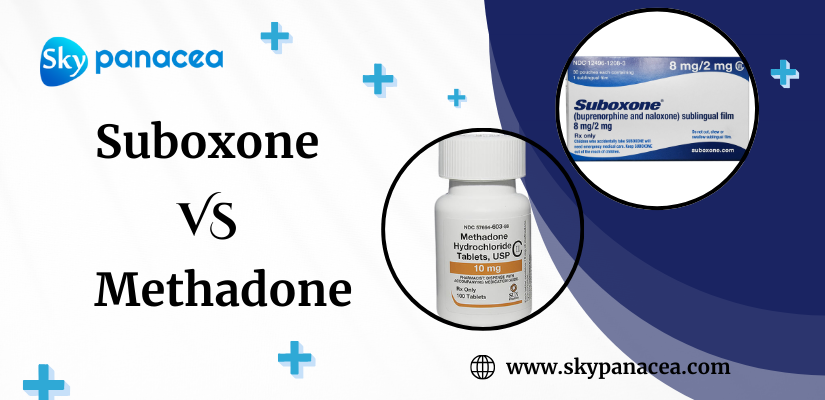
Suboxone and Methadone are both prescription medications which is utilize for the management of opioid use disorder (OUD). When both medications are used to help people who are struggling with opioid dependence, but they also work differently and have different characteristics depending on people individual’s requirements and conditions. Understanding the differences between Suboxone vs Methadone for opioid addiction is essential in choosing and deciding the right medication for your recovery journey. In this blog, we will explore their key differences, the nature of each one’s physiological effects, and also discuss about the challenges related to discontinuing these medications. We also cover some common questions like “is suboxone the same as methadone?” and “Can you take suboxone and methadone together?”
Comparative Analysis Of Suboxone Vs Methadone: Their Key Differences, Side Effects, And Interactions
When both medications are used to manage Opioid Disorder, but they come from different classes and also work in different ways. Let’s understand their effects better and know which one is suitable for you, which may relieve your opioid addiction instantly. Here is an overview of these medications and their work:
Overview Of Suboxone And Its Mechanism
Suboxone is a brand name that is a combination of two active ingredients, buprenorphine and naloxone. Buprenorphine is a partial opioid agonist that partially activates the opioid receptors in the brain. It is satisfying the receptors which is linked to addiction and withdrawal without producing the euphoric high. Naloxone is an opioid antagonist which is blocks the effects of opioids and reduces the misuse of the medication. This is fulfilled by connecting to the opioid receptors more effectively than a full-antagonist opioid, while not activating the receptors at the same time. After this type of combination, suboxone medication decreases cravings, withdrawal symptoms, and the risk of dependence and misuse. This medication is available as a sublingual film or tablet, which dissolves under your tongue.
Overview Of Methadone And Its Mechanism
Methadone is a synthetic opioid which is a full opioid agonist. It is activating the opioid receptors in the brain in much the same way as other opioids or heroin. This medication produces feelings of euphoria at higher doses, but it is mostly administered in regulated settings to minimize misuse. It also works by connecting to opioid receptors in the brain to provide complete reduction of withdrawal symptoms, effective craving suppression, and blockade of euphoric effects from other opioids. Methadone is commonly available as a liquid or tablet, taken once daily under strict medical supervision, which provides long-lasting effects that commonly last 24 hours.
Key Benefits Of Suboxone And Methadone
Suboxone and Methadone carry some key benefits when you. Understanding the benefits that make an informed choice for you when you are using these medications. Let’s explore:
Key Benefits of Suboxone:
- Lower risk of misuse due to naloxone
- Ceiling effect: limits the high, reducing the risk of overdose
- Can be prescribed in a doctor’s office or an outpatient treatment center
- Available in film or tablet form for easy daily use
Key Benefits of Methadone:
- Highly effective at managing severe opioid dependence
- Long-lasting effects can decrease the need for frequent dosing
- Perfect for patients who have a long history of opioid use
What’s The Difference Between Suboxone And Methadone?
Suboxone and Methadone are both opioid classes, but they have several key differences in composition, how they work, and their use in addiction treatment. These characteristics are defined with one option or the other being better for people undergoing treatment. Here are some differences between the two drugs:
Both differences are compared in the table:-
| Feature | Suboxone | Methadone |
| Brand names | Suboxone | Methadose, Dolophine |
| Active ingredient | Buprenorphine and naloxone | Methadone |
| Drug Onset Time | about 20–60 minutes | 30-45 minutes later |
| Duration of action | 24–72 hours | 24–36 hours |
| Half-life | about 24 to 42 hours | 8 to 59 hours |
| Type of Drug | Partial opioid agonist + antagonist | Full opioid agonist |
| Withdrawal Potential | Milder withdrawal symptoms | Stronger withdrawal symptoms upon cessation |
Suboxone Vs Methadone Side Effects
When Suboxone and Methadone are both effective and powerful in managing opioid use disorder, they also have several potential side effects. It is crucial to be informed of these side effects and discuss them with your doctor before you start these medications. Let’s explore the side effects of these medications.
Side effects of Suboxone:
- Headache
- Nausea
- Constipation
- Insomnia
- Sweating
- Anxiety
- Drowsiness,
- dizziness
- fatigue
- Constipation,
- Nausea
- vomiting
- Dry mouth and dental effects
- High blood pressure and hot flashes
- Fever
- Breathing issues
- Withdrawal symptoms if discontinued abruptly
Side effects of Methadone:
- Drowsiness
- Lightheadedness
- Nausea
- vomiting
- Respiratory depression (at high doses)
- Irregular heartbeat
- Slow breathing
- Hives
- rashes
- itching
- Chest pain
- Rapid heartbeat
- Hallucinations
- Dry mouth and dental issues
- Withdrawal symptoms if discontinued abruptly
- Increased risk of overdose (especially when combined with other depressants like benzodiazepines or alcohol)
The side effects of these medications can differ from person to person, and they may affect various characteristics like dosage, individual metabolism, and overall health.
Suboxone Vs Methadone Withdrawal
Suboxone and Methadone cause some withdrawal symptoms. Many studies have shown that suboxone commonly creates less serious withdrawal symptoms compared to Methadone. Because suboxone contains Buprenorphine, which is known as a pharmaceutical active component has a long half-life, helping to extend the remission of withdrawal symptoms. Most people sometimes feel decreasing symptoms when they stop taking Suboxone and making the process easier for them. However, Methadone withdrawal can be quite strong. As we know, Methadone is a full agonist; if you suddenly stop this medication can cause severe symptoms like anxiety, muscle aches, nausea, and insomnia. Therefore, when you stop taking methadone must be done gradually and under close medical supervision. Here are some withdrawal symptoms of these medications.
Suboxone withdrawal symptoms:
- Prolonged insomnia
- Intense cravings and anxiety
- Joint pain and muscle spasms
- Fatigue and irritability
Methadone Withdrawal Symptoms:
- Severe muscle aches
- Anxiety and depression
- Insomnia lasting for weeks
- Nausea, vomiting, and diarrhea
Interaction
Suboxone and Methadone individually cause very serious interactions when mixed with other medicines and substances. These substances cause severe respiratory depression, coma, and death. Let’s cover the medications and substances individually of these medications.
Suboxone Interactions
- Benzodiazepines ( Xanax, Valium and Ativan)
- Alcohol
- other opioids ( Tramadol, Oxycodone, Fentanyl, Dextromethorphan, Meperidine, and Codeine)
- sedating antihistamines
- certain antidepressants ( Prozac, Zoloft, Celexa, and Lexapro)
- Antifungals
- seizure medications ( Gabapentin)
Methadone Interaction
- other opioids
- Benzodiazepines
- Alcohol
- certain antidepressants
- Antifungals
- Antibiotics
- grapefruit juice
Frequently Asked Question(FAQs)
Which Is Better, Suboxone Or Methadone?
Neither Suboxone nor Methadone medication is generally better. The choices are based on the individual’s particular characteristics, such as opioid use disorder (OUD) and personal characteristics. When Suboxone is safer for mild to moderate cases due to its partial opioid agonist character and ceiling effect, on the other hand, Methadone gives stronger relief for severe OUD but carries a higher risk of misuse. Both medications are effective and powerful for opioid treatment, but methadone may carry a higher abuse potential and risks of serious side effects.
Can You Take Suboxone And Methadone Together?
No, you should not take suboxone and methadone together. When you are taking these medications together, they increase your risk of an opioid overdose, but the naloxone component of Suboxone may throw you into methadone withdrawal.
Conclusion
Methadone and Suboxone are both opioid medications that may give you temporary relief from opioid addiction, but these medications are not long-term solutions or not long ter uses. Both medications keep individuals dependent and present significant withdrawal challenges when attempting to stop. So, Understanding these medications, their key differences, interactions, and side effects. When it’s great to do your own research, it’s always important to talk with a professional healthcare provider.